
Articles
Our articles are an important source of information and commentary on matters that affect you.
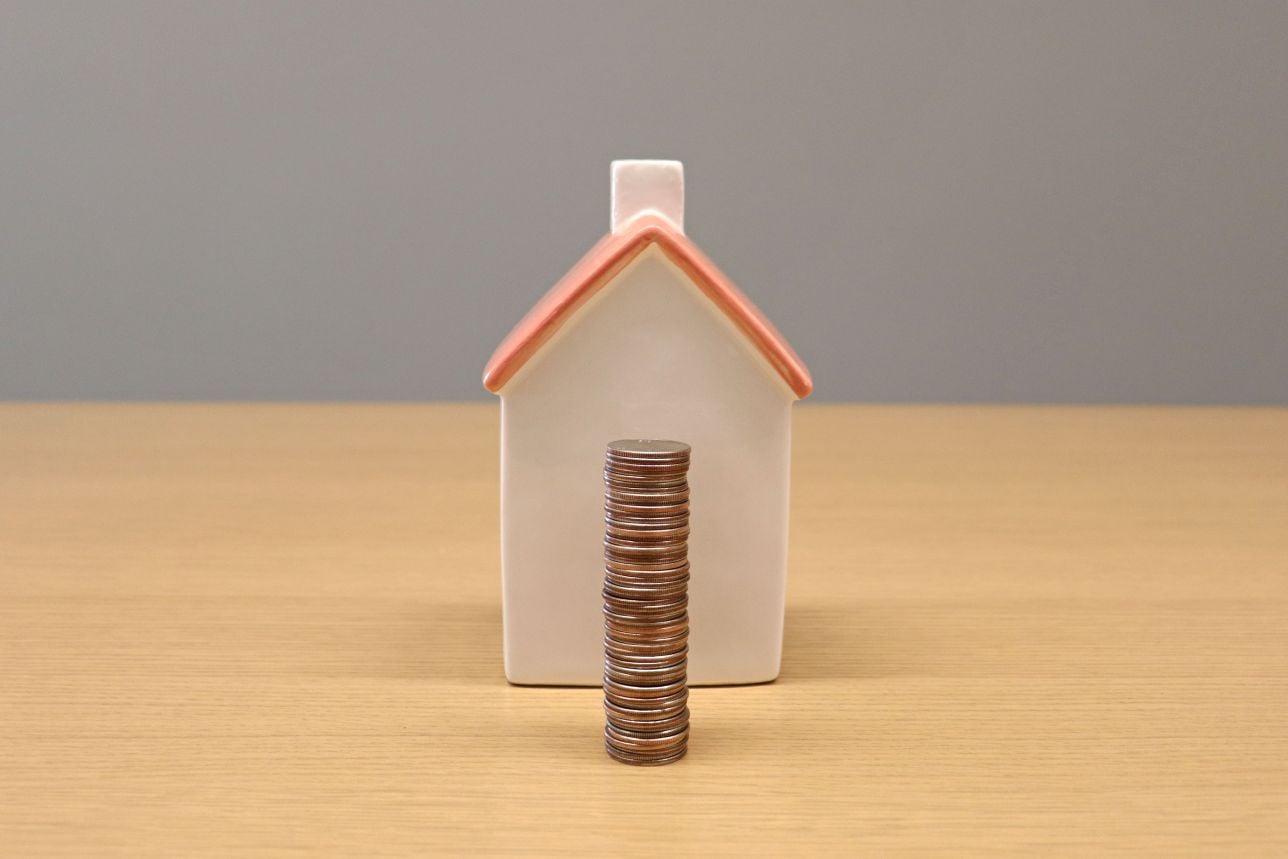
For many New Zealanders, the family home is their most valuable asset. As retirement approaches, however, having substantial equity in a home does not necessarily provide readily available income.
A reverse mortgage can allow homeowners to access some of that equity while continuing to live in their home. It can provide useful financial flexibility, but it is also a significant financial and legal commitment with potential long-term consequences for both the homeowner and their estate.
How does a reverse mortgage work?
A reverse mortgage is a loan secured against your home. Unlike a conventional mortgage, you generally do not make regular repayments of principal and interest. Instead, interest and other charges are usually added to the loan balance.
The loan will generally be repaid when the home is sold. This may occur when the homeowner moves permanently into residential care, moves elsewhere, or following their death. The precise circumstances and requirements depend on the terms of the particular loan.
Why might a reverse mortgage be attractive?
The main benefit is the ability to access the equity in your home without having to sell it.
Depending on the lender and the loan terms, funds may be available as a lump sum, regular payments or for particular purposes. They could potentially be used for:
- supplementing retirement income;
- home renovations or maintenance;
- significant one-off expenses;
- medical or care-related costs; or
- other personal or family expenses.
For someone who wishes to remain in their home, this can provide valuable financial flexibility.
Another potential advantage is that there may be no requirement for regular repayments while the borrower continues to meet the conditions of the loan. This can be helpful where retirement income is limited.
What are the disadvantages?
The most important consideration is that the amount owing increases over time.
Because interest is generally added to the loan rather than paid as it accrues, the balance can grow significantly, particularly if the loan remains outstanding for many years. Fees and other charges may also increase the amount owing.
As the debt increases, the equity remaining in the property decreases. This can have consequences for your future financial options and for what you may ultimately leave to your beneficiaries.
Before taking out a reverse mortgage, you should carefully consider:
- the interest rate and how interest is calculated;
- establishment, valuation, legal and other fees;
- the maximum amount you can borrow;
- how and when funds will be provided;
- whether voluntary repayments are permitted and whether charges apply;
- any restrictions on the use or maintenance of the property; and
- the circumstances in which the loan must be repaid.
What happens if your circumstances change?
A reverse mortgage should be considered in light of your potential future needs, not simply your current circumstances. Depending on the loan terms, events like moving into residential care or selling your home may trigger repayment of the loan.
It is therefore important to understand what would happen if you could no longer live in the property and whether there are any provisions allowing the loan to be transferred to another home.
What about your estate?
A reverse mortgage can have a significant effect on estate planning.
If the property is sold to repay the loan, the amount remaining for your estate will depend on the property’s value at that time and the amount owing under the reverse mortgage. It may therefore be difficult to predict how much equity will ultimately remain for your beneficiaries.
If children or other family members expect to inherit the family home, you may wish to discuss your plans with them. This can help avoid misunderstandings and ensure everyone has a realistic understanding of the potential impact on the estate.
A reverse mortgage should also be considered alongside your existing will and any trusts, relationship property arrangements or other estate-planning structures.
Independent advice is important
A reverse mortgage is both a financial and legal commitment. Before signing the loan documents, it is sensible to obtain independent advice.
A financial adviser can also help you assess whether borrowing against your home is appropriate for your retirement and overall financial circumstances.
A lawyer can help you understand the legal obligations under the loan, the security being given over your home and the potential consequences for your estate.
For some homeowners, a reverse mortgage may provide a useful way of accessing wealth tied up in their home and improving financial flexibility during retirement. For others, the potential reduction in home equity and the impact on their estate may outweigh those benefits. The key is to understand both the immediate advantages and the longer-term consequences before making a decision.
If you are considering a reverse mortgage, we recommend obtaining independent legal and financial advice before committing to the loan. A review of the proposed loan documents, together with your wider estate-planning arrangements, can help ensure you understand the implications and make an informed decision.
This article is intended as general information only and does not constitute legal or financial advice.